
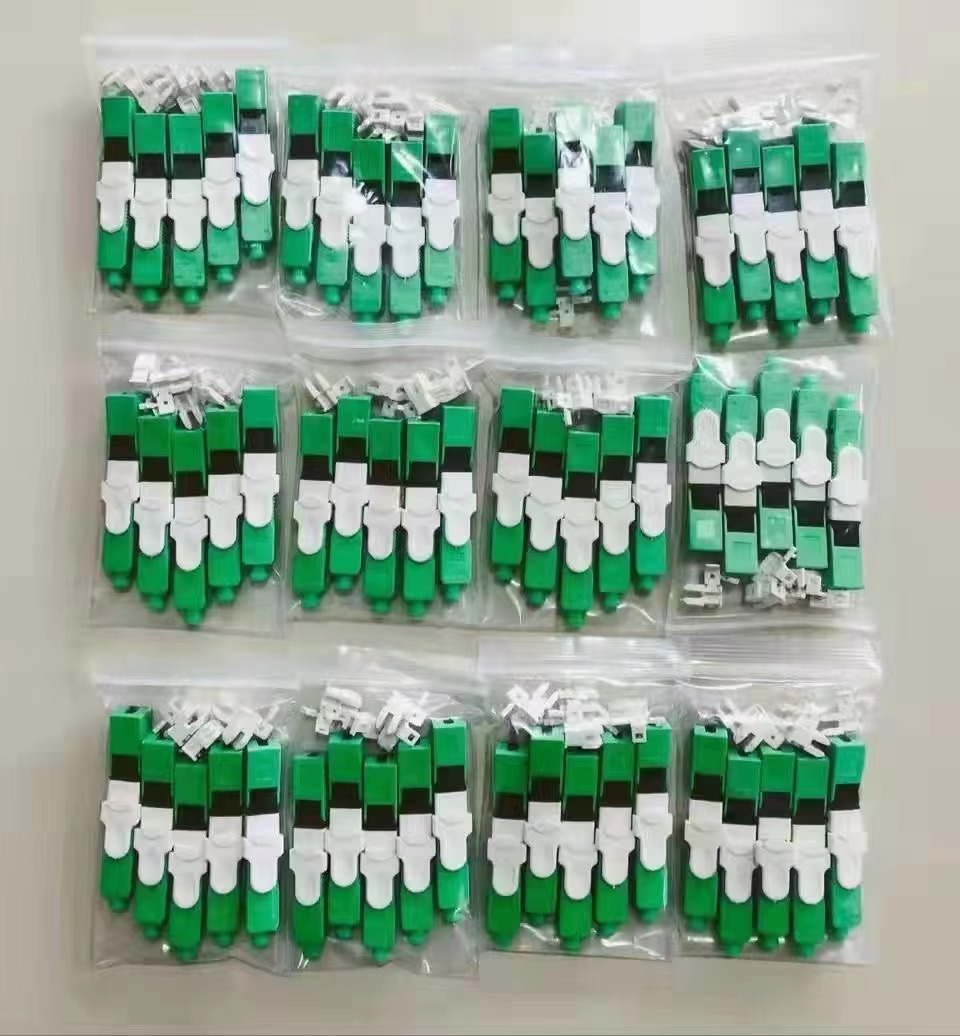
How to use fast connector
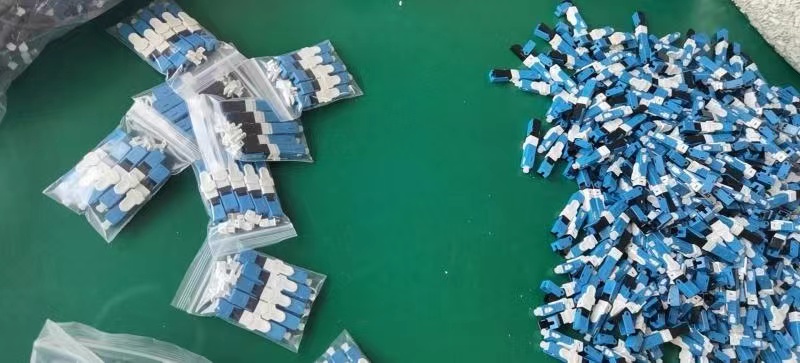
Fiber fast connector are a fast, simple and efficient connector for connecting optical fibers. They can connect optical fibers without heating or fusion splicing. This article will introduce the use of Fiber fast connector in detail, including preparation, specific operation steps and precautions.
Basic principles of Fiber fast connector
Fiber fast connector two optical fibers through mechanical clamping and optical matching glue. The cold splice usually contains a pre-installed fiber end face and a layer of optical matching glue. When the optical fiber is inserted, the fiber end face is precisely docked with the pre-installed end face, and the optical matching glue is used to reduce reflection and loss, thereby realizing the transmission of optical signals.
Applicable scenarios
Fiber fast connector are suitable for scenarios where network connections need to be quickly restored, such as on-site emergency repairs, temporary fiber optic connections, etc. Its advantage is that it does not require professional equipment and complex operations, and ordinary technicians can also quickly master and operate it.
Preparation for using Fiber fast connector
Before you start using Fiber fast connector, you need to prepare the following tools and materials:
Tools
1. Fiber cleaver: used to cut the optical fiber and ensure that the cut end surface is flat.
2. Fiber stripper: used to strip the protective layer of the optical fiber.
3. Fiber cleaning tools: including alcohol, dust-free paper, etc., used to clean the fiber end surface.
4. Fiber fast connector installation tool: Some cold splices may be equipped with special installation tools.
Materials
1. Fiber fast connector: Select cold splices that are suitable for the type and specification of optical fiber.
2. Fiber jumper: used to test the connection quality.
3. Cleaning agent and dust-free paper: used to clean the fiber end surface and cold splices.
Specific steps for using Fiber fast connector
The process of using Fiber fast connector to connect fiber optics can be divided into the following steps:
1. Stripping the protective layer of the fiber
First, use a fiber optic stripper to strip the protective layer of the fiber, including the outer sheath, buffer layer and coating layer, until the fiber core is exposed. The stripping length is usually 40-50 mm, and the specific length depends on the requirements of the cold splice.
2. Cleaning the fiber end face
After stripping the protective layer, carefully clean the fiber end face with alcohol and dust-free paper to ensure that there is no dust and oil. This step is very important and directly affects the quality of the fiber optic connection.
3. Cutting the fiber
Use a fiber optic cleaver to cut the fiber and ensure that the cut surface is flat and free of defects. The cutting length is generally about 10 mm according to the requirements of the cold splice.
4. Inserting the fiber cold splice
Open the fiber cold splice and insert the prepared fiber into the cold splice according to the instructions in the manual. Ensure that the fiber end face is accurately connected to the pre-installed fiber end face inside the cold splice. Pay attention to uniform force when inserting to avoid damaging the optical fiber.
5. Fix the optical fiber
Use the optical fiber cold splice installation tool (if available) or manually fix the optical fiber in the cold splice. Make sure that the optical fiber is firmly clamped in the cold splice to avoid loosening.
6. Check the connection quality
After the connection is completed, use the optical fiber jumper and optical power meter to test the connection quality. Check the insertion loss and return loss of the optical fiber connection to ensure that the connection quality meets the requirements.
7. Complete the package
After confirming that the connection quality is qualified, complete the package of the cold splice and ensure that the cold splice shell is firmly buckled to protect the internal optical fiber connection part.
Precautions for using optical fiber cold splices
In the process of using optical fiber cold splices, there are several key points that need special attention to ensure the quality and stability of the connection.
Choose the right cold splice
Different types of optical fibers (such as single-mode optical fibers and multi-mode optical fibers) and optical fibers of different diameters require cold splices of corresponding specifications. Make sure that the specifications of the cold splice match the optical fiber to ensure the connection quality.
Operating Environment
Fiber optic connection operations should be performed in a clean, dust-free environment. Operators should wear anti-static gloves to prevent dust and oil from contaminating the fiber end face and the inside of the cold splice.
Cutting Accuracy
The cutting accuracy of the fiber end face has a significant impact on the connection quality. Use high-quality fiber cleavers and ensure that the cutting tool is in good condition. The fiber end face after cutting should be flat and free of cracks.
Cleaning
Cleaning is the most critical part of fiber optic connection. Use high-purity alcohol and dust-free paper to ensure that the fiber end face and the inside of the cold splice are dust-free and dirt-free. Clean in time after each step to avoid contamination.
Testing
Testing must be performed after the connection is completed. Use an optical power meter and fiber jumper to measure the insertion loss and return loss of the fiber connection. Ensure that the connection quality meets the standard to avoid signal loss or transmission failure caused by connection quality problems.
Advantages and Applications of Fiber fast connector
Fiber fast connector have been widely used in various fiber optic connection scenarios due to their fast and convenient characteristics.
Advantages
1. Quick connection: Fiber fast connector do not require heating or fusion splicing, are easy to operate, and can complete fiber optic connections within a few minutes.
2. Portability: No need to carry complex fusion splicing equipment, especially suitable for on-site emergency repairs and temporary fiber optic connections.
3. Low cost: Compared with fusion splicers, Fiber fast connector are cheaper and suitable for occasions with limited budgets.
Application scenarios
1. Emergency repair: When the fiber is broken or damaged, the fiber optic cold splice can quickly restore the connection and reduce network interruption time.
2. Temporary connection: In occasions where temporary fiber connection is required, such as exhibitions, temporary network construction, etc., Fiber fast connector provide a convenient solution.
3. User-side connection: When installing fiber-to-the-home at the user end, Fiber fast connector can quickly complete the connection and improve installation efficiency.
Conclusion
As an efficient and convenient fiber optic connection method, Fiber fast connector have played an important role in modern fiber optic communications with their unique advantages. By mastering the correct usage methods and precautions, technicians can quickly and efficiently complete fiber optic connections and ensure the stability and efficiency of fiber optic communication networks. In the future, with the continuous advancement of fiber optic technology, the application scope of Fiber fast connector will be wider, and their usage methods will be more perfect, providing strong support for the development of fiber optic communications.